
When I was appointed to a local church I dared to believe that on any given Sunday I had crafted a worship service and was ready to preach a sermon that would inspire everyone. What I learned is that despite my best efforts, the results were always going to be mixed.
Beautiful music and hymns that had been carefully selected might leave someone unimpressed because the songs were not from their list of personal favorites. A fully developed sermon that blended solid exegesis, real-life examples that might be touching or humorous, and specific ways God’s Word could be applied to everyday living might never hit the mark with some of the listeners. It could be the stories didn’t resonate, or the interpreted the scripture differently, or maybe the sermon should have been five minutes shorter…ok, maybe ten.
What inspires you? That’s a question that can only be answered based on the context of an individual’s thoughts, needs, and expectations in a particular moment. Author Dr. A.J. Drenth writes about The Psychology of Inspiration saying, “inspiration emerges when an idea fills a critical void in the psyche. It’s as though something clicks and we suddenly experience a profound shift of mind and being”.
It’s important to remember that inspiration is a physical experience as well as mental or emotional. Inspiration is something essential we do with every breath we take. Drawing air into our lungs is the act of inspiration…breathing in. The opposite occurs when we breathe out…expiration. To achieve a consistent experience of the fullness of being inspired is to find ways to combine these factors so that inspiration enhances our physical, mental, emotional, and spiritual state.
Dr. Drenth mentions “the critical void in the psyche”. When we first wake up in the morning, our consciousness usually isn’t fully engaged. Yet, our brain is already at work prioritizing our thoughts and helping us remember what we need to accomplish that day. Perhaps a helpful habit is to take control of that critical void and fill it with something inspiring before it gets filled with something trivial or stressful, which the uninspired mind will quickly do.
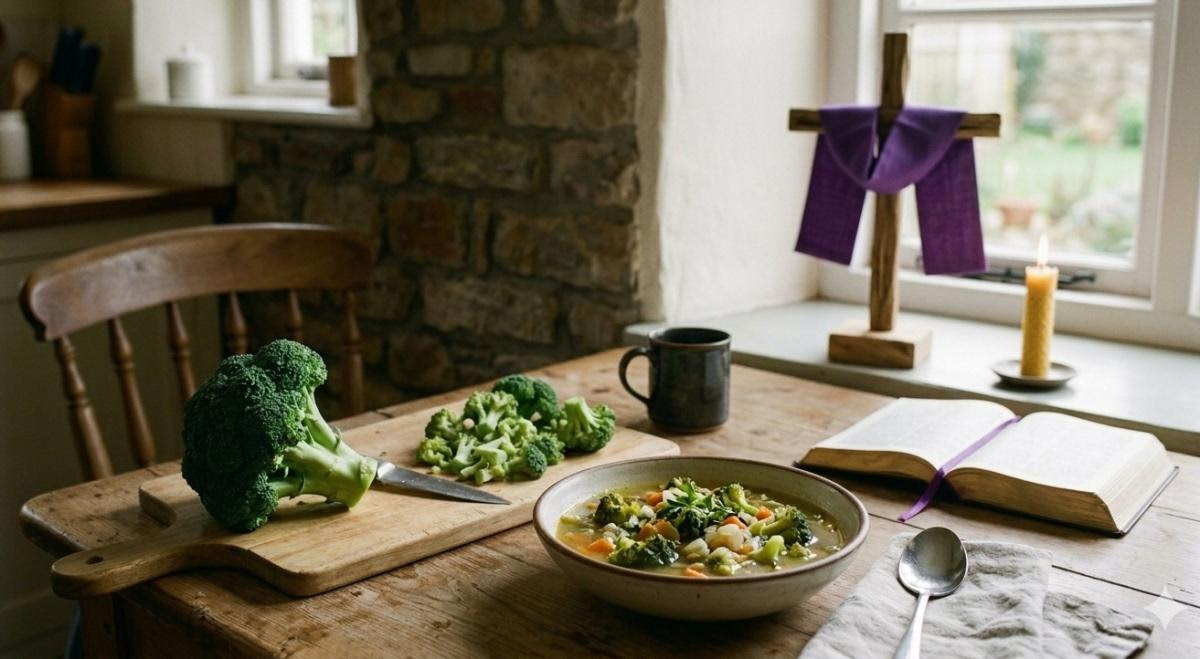
Consider 15 minutes of focused time…something good to drink…a passage of scripture…a daily devotional or prayer resource…some music…a comfortable space…and some guided breathing exercises. Silence is also a potent ingredient to combine with an intentional pattern of inhale/exhale, inspire/expire, breathe in/breath out. With each breath, consider we are taking in God’s Holy Wind…the Holy Spirit. Then as we exhale, we let go of stress and worry.
I hesitate to call initiating such a practice a New Year’s resolution because most begin with good intentions and quickly fade. Instead, let’s simply and prayerfully devote ourselves to have as many inspiring days as we can in 2026, by giving our critical void to the Holy Spirit and becoming instruments for God’s inspiration.
May the year ahead bring us all closer to God and one another…

The Rev. Dr. David Weatherly